W—achilcaraspua—111

Lycée Schorge
Location — Koudougou
Country — Burkina Faso
exterior façade
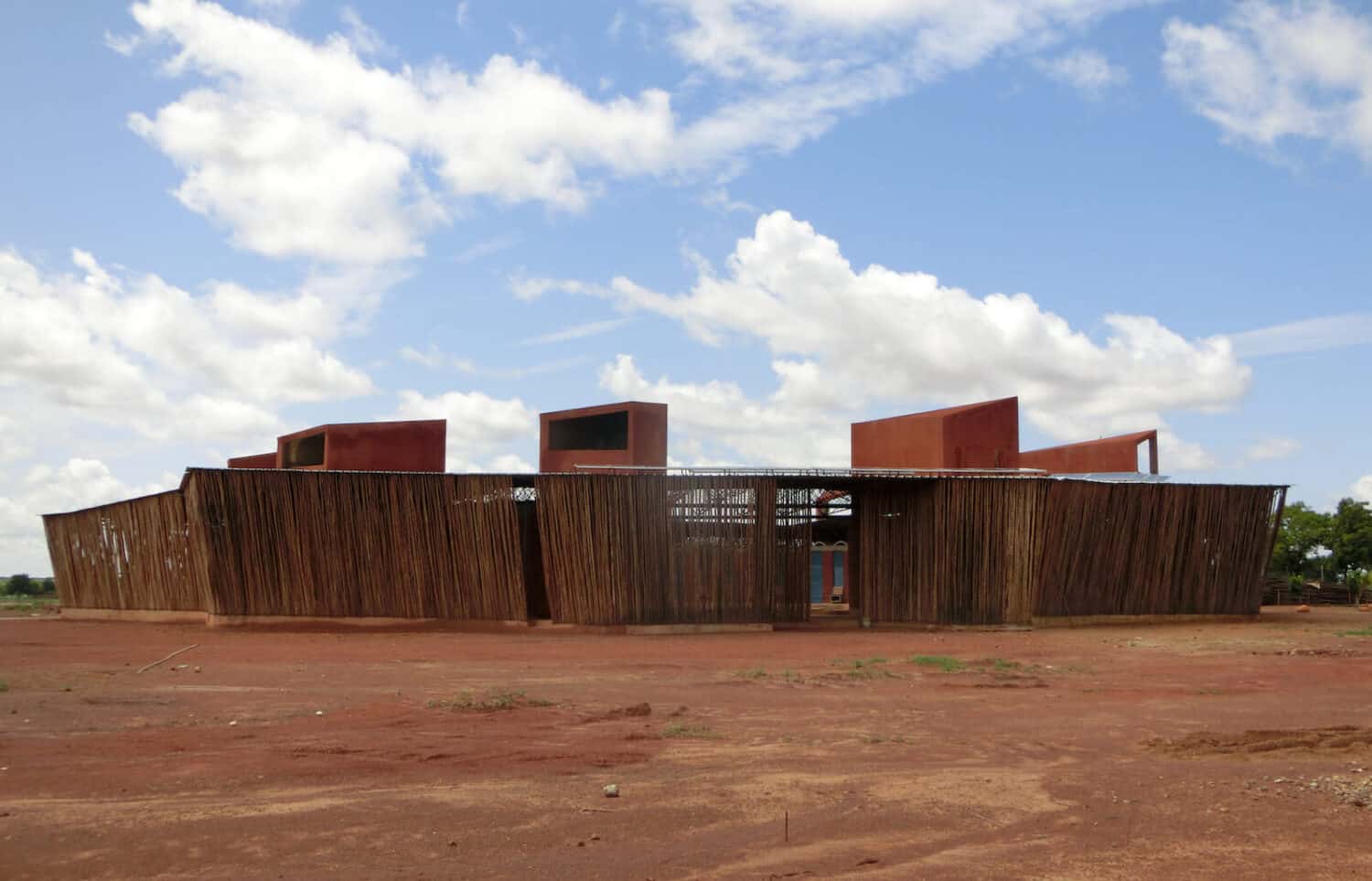
integrated in the landscape of Burkina Faso
innner courtyard

classroom

truss beams assembling

Exterior wood log façade

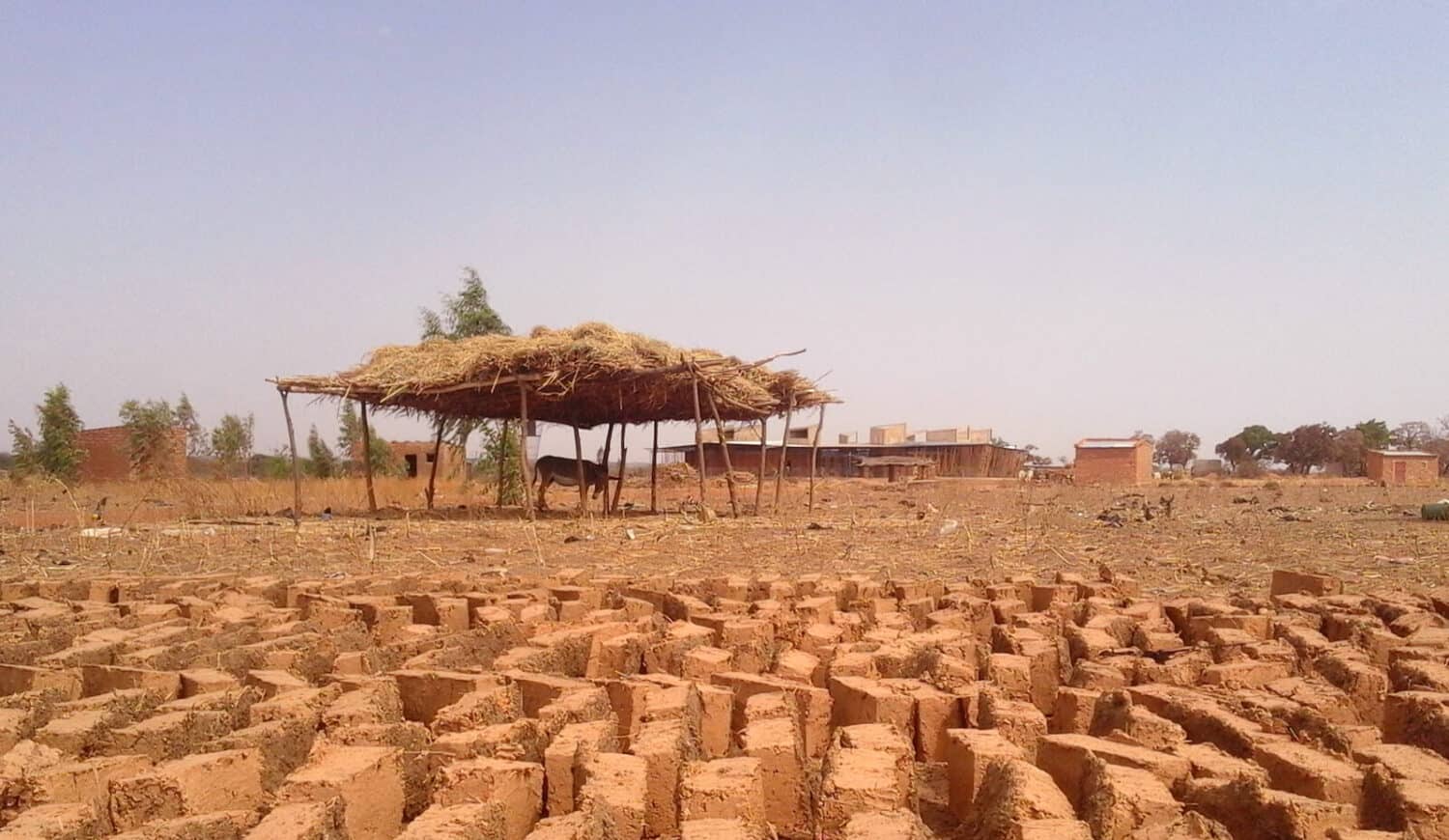
construction in progress

axonometry

constructive axonometry of a module

Financed by the German Stern Stewart Institute, Lycee Schorge is an attempt to bring quality education to the kids of one of the poorest countries of West Africa and the world: Burkina Faso. The participation of the architectural team is, therefore, not superficial. Design, construction and further adaptations have been carried out within a direct and participatory process in which every single agent was involved.
Architecturally, the school is developed around a courtyard; one of the most noticeable elements of the West African architecture; which represents the space for encounter, for discussion, for celebration. The classrooms have been conceived according to very simple cross ventilation and shading principles, with no use of active engineering elements. The main element of the building is a large metallic roof which protects the laterite stone architecture from the strong African sun and enables the circulation of air beneath.